Roopdhyan: Where God Meets the Mind
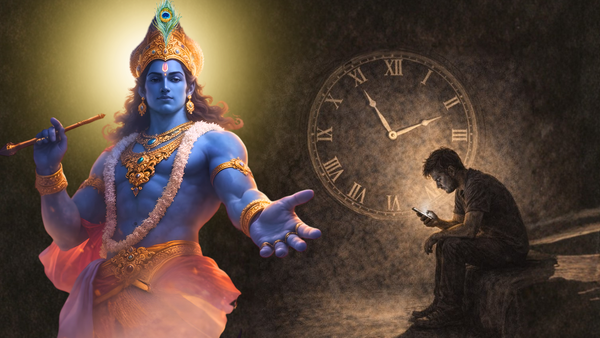
Worship, devotion, or sādhanā - all these words mean one thing: to attach the mind to God - the mind. The mind is the cause of both bondage and liberation. The mind alone is the worshipper. Whether the action is good, bad, or related to God, the mind is the doer of all actions.
Therefore, Roopdhyan - meditating on God's divine form - is first and foremost essential aspect of sādhanā. After that, whether you sing, chant, recite from scriptures, do rituals, or do nothing else - if you simply meditate on His form - you will attain God.
How should the mind's attachment be?
Not in a casual or superficial manner.
Kāmihi nāri piāri jimi, lobhihi priy jimi dām.
Tad-vismaraṇe param vyākulatā (Narad Bhakti Darshan)
Yugāyitaṃ nimeṣeṇa chakṣuṣā prāvṛṣāyitam. Śūnyāyitaṃ jagat sarvaṃ govind virahēṇa mē (Mahaprabhu)
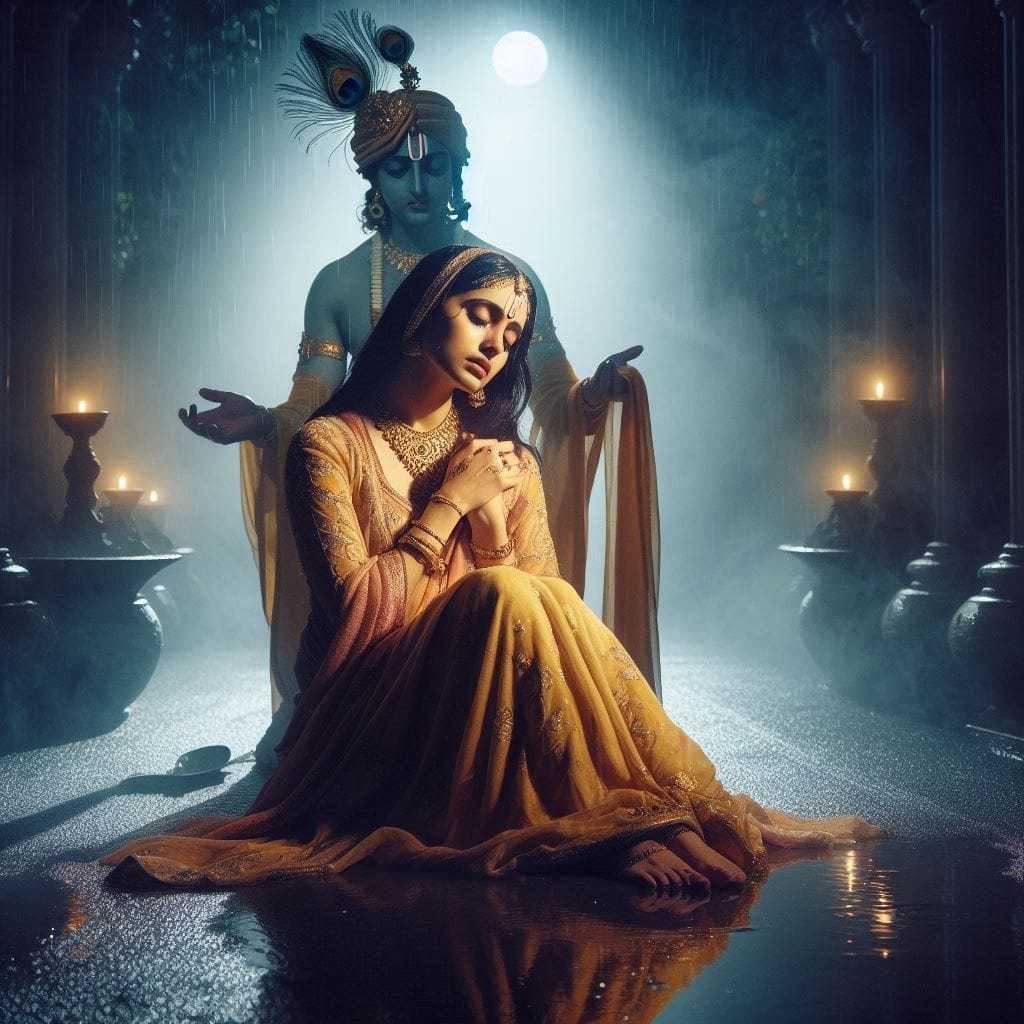
The love for God must be as intense as a lustful person's love for a woman, and as a greedy person's love for wealth. The absence of God should cause the utmost distress. A single moment of separation from God should feel like an entire age. The eyes should overflow with tears, and the entire world should appear empty in separation from Shri Krishna.
In our country, many great spiritual practices can be seen. Whether one is a householder, a renunciate, or a monk - someone is reading a book, someone is chanting, someone is reciting scriptural texts, while someone is performing worship. But ask them: How many tears have you shed for God? To what extent have you experienced longing and anguish in His absence? Did even a single moment without meeting Him feel like an entire age? The answer would be no.
There have been, and still are, many great commentators in our country on philosophical darshans such as Vedanta, Nyāya, and Sāṅkhya. Great scholars deliver great lectures. Yet their minds are not attached to God. In temples, elaborate hymns from the Vedas and the Rāmāyaṇa are chanted, but tears do not flow in this way, and humility does not arise.
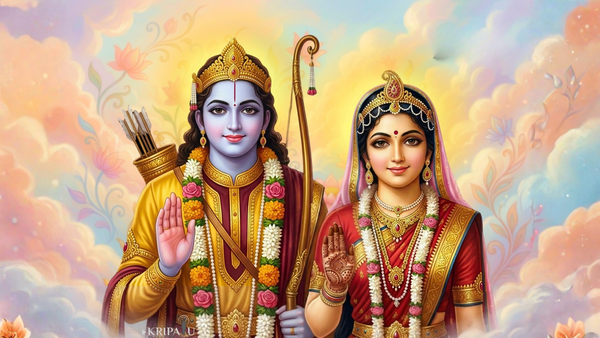
Therefore, practice Roopdhyan with your mind. God is so causelessly merciful that He has said, "Whatever form comes to your mind - create that form of Mine."
There are many benefits in creating a form in the mind.
- You may create whichever form you like. It is possible that an idol carved by a sculptor does not match what your mind envisions - you may not like its face, nose, eyes, or overall appearance. But the form created by your mind can be made as beautiful as you wish.
- The idol in a temple remains in a single form. But in your mind, you can sometimes create Krishna as a child, sometimes crawling on His knees, sometimes as a youth, and sometimes even older.
- You can dress Him in different clothes. When someone looks at a temple idol, a thought may arise, "If I had money, I would adorn this idol with a diamond necklace, but I am poor." But with your mind, you can dress Him with a necklace more precious than the Kohinoor diamond. With your mind, bring divine jewels from Golok, adorn your Shyamsundar with them, and become immersed in bliss.
- The human mind is impure. Any form created by the mind will be material, no matter how beautiful it appears. The mind creates forms based on what it has seen in this world - so how can it create a truly divine form? Yet God is so merciful that He accepts that form as His own body and grants the corresponding spiritual result.
Recommended books by Jagadguru Shri Kripalu Ji Maharaj related to this topic: