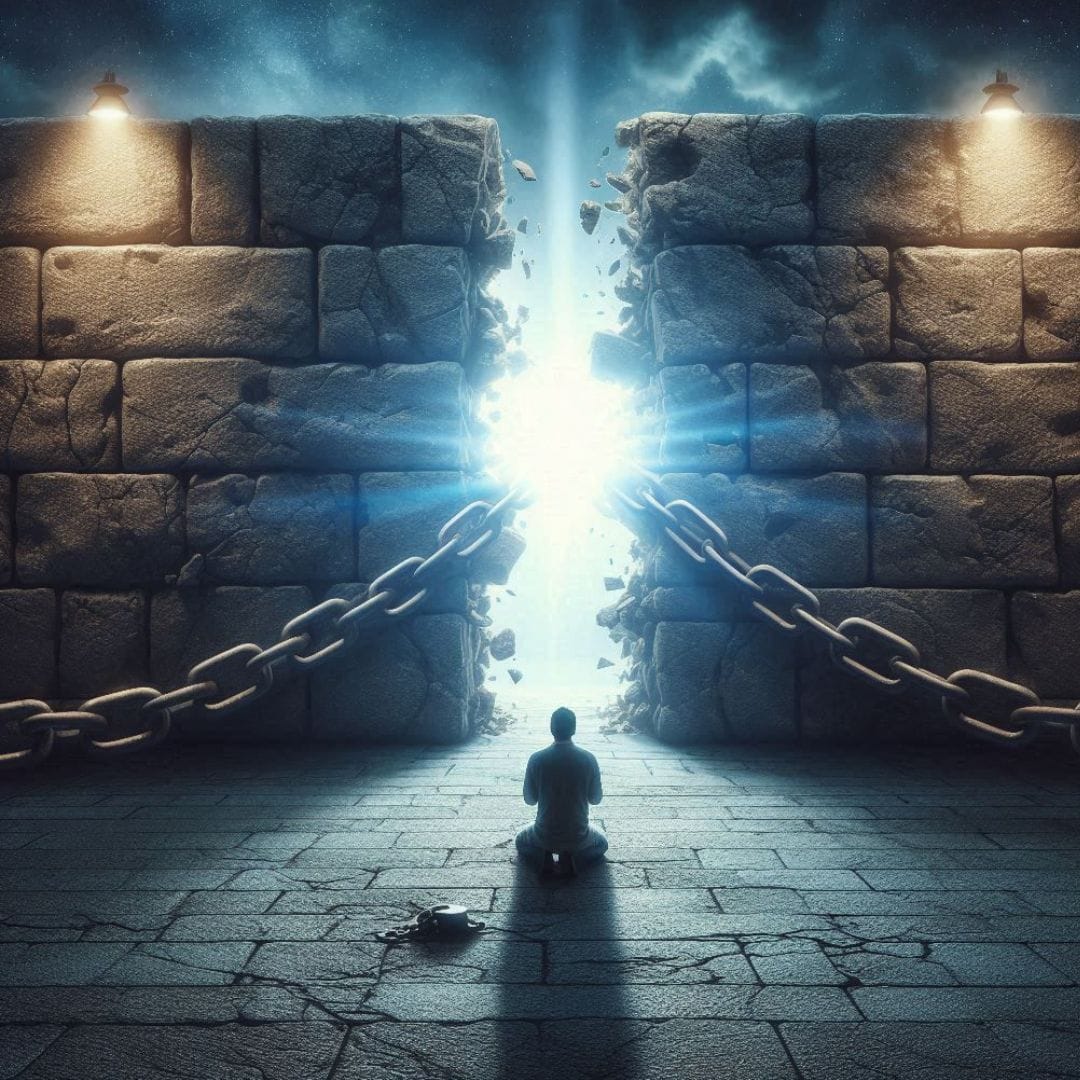
Every person in this world is unhappy, incomplete, and hungry for bliss. When an aspiring devotee becomes weary of the world and finds nothing fulfilling, they turn to God and say:
"My Guru has taught me not to ask God for worldly enjoyment (bhukti) nor liberation (mukti)."
Maya's influence extends up to Brahmalok. Those who perform grand Vedic rituals to attain heaven are utterly foolish because the spiritual practices prescribed for attaining heaven are far too difficult to perform in Kaliyug. And even if one manages to attain heaven, it is no different from earth - Maya has complete control there as well. Lust, anger, greed, and attachment hold their authority there, too. Heaven is also material. Anywhere one goes in the material realm upto the Brahmalok is temporary; they must eventually return. 99.9% of people desire worldly pleasures, bhukti. Even when singing Arti for God, people sing in temples all over the world, "sukh sampati ghar aavai. Om Jai Jagdish Hare" - May happiness and wealth come to our home.
Bhukti means the soul is enjoying pleasure while remaining separate from Brahm. The happiness experienced in the world is not divine bliss but merely the joy of Maya. Therefore, you should never ask God for worldly pleasures.
In mukti, the soul becomes one with Brahm - this is called ekatva (oneness), kaivalya, or sāyujya mukti. At first glance, merging with God may appear desirable, since one never returns to the material world, and Maya does not dare to approach them again. But this is not the case - mukti is even worse than bhukti.
Gauranga Mahaprabhu said:
"ajñāna tamera nāma kahiye kaitava, dharma artha kāma mokṣa ādi saba"
Kaitava means deceit, fraud, trickery - worldly pleasures have deceived the soul, who is the child of God. That is why, forgetting God, the soul runs after worldly pleasures. This is kaitava.
There are four kinds of kaitava - dharma (righteousness), artha (wealth), kama (desires), and moksh (liberation). Bhagavatam says in the beginning - "dharmaḥ projjhita kaitavaḥ." If someone asks, "It is understandable why dharma, artha, and kama are considered deceitful, as they only lead one up to Brahmalok. But why is moksh called kaitava?
Gauranga Mahaprabhu explained:
"tāra madhye mokṣa vāñchā kaitava pradhāna" - Among dharma, artha, kama, and moksh, the desire for moksh is the greatest deceit. This is because one who merges with God will never attain the bliss of divine love. This is because "na sa punarāvartate" - they never return and never receive a body again. And without a body, how can one experience the bliss of divine love?
On the other hand, if you remain within dharma, artha, and kama, there remains a possibility for you to meet a true saint someday. That saint may awaken your intellect. And by surrendering to that saint and practising devotion under his guidance, you may one day attain divine love. Many great sinners have become devotees of God. But after attaining moksha, the soul is gone forever.
Thus, the devotee says he desires neither bhukti nor mukti. Then God asks, "What do you seek?"
The devotee replies - "I wish only to serve You - this is my sole desire."
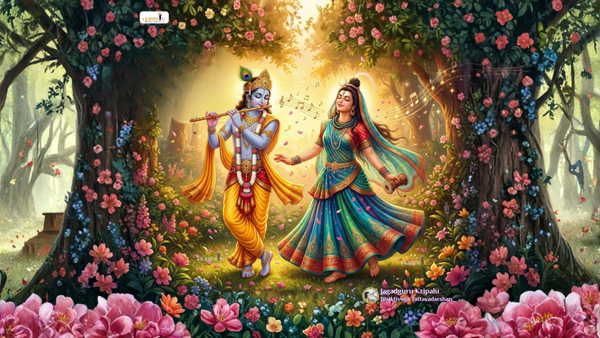
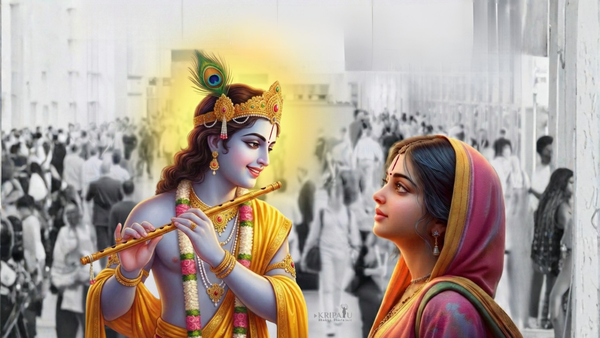
Therefore, you should ask God only for the opportunity to serve Him - and that too, solely for His happiness. The uneducated Gopis had only one mantra - they surrendered their body, mind, and life to Shyamasundar, solely for His happiness. And where did that mantra take them? Even Brahma, the creator of the universe, longs for the dust of their feet. Great sages like Sanak and Janak took birth as trees in Vraj just to receive that dust.
Therefore, the devotee says, "I ask You only for Your service - nothing else."
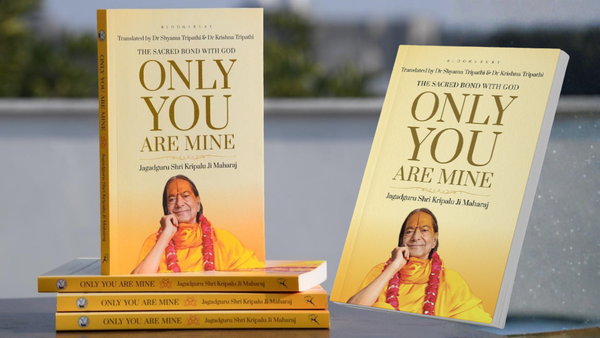
Recommended books by Jagadguru Shri Kripalu Ji Maharaj related to this topic:
Guru Mantra - English
Every person in this world is unhappy, incomplete, and hungry for bliss. When an aspiring devotee becomes weary of the world and finds nothing fulfilling, they turn to God and say:
"My Guru has taught me not to ask God for worldly enjoyment (bhukti) nor liberation (mukti)."
Maya's influence extends up to Brahmalok. Those who perform grand Vedic rituals to attain heaven are utterly foolish because the spiritual practices prescribed for attaining heaven are far too difficult to perform in Kaliyug. And even if one manages to attain heaven, it is no different from earth - Maya has complete control there as well. Lust, anger, greed, and attachment hold their authority there, too. Heaven is also material. Anywhere one goes in the material realm upto the Brahmalok is temporary; they must eventually return. 99.9% of people desire worldly pleasures, bhukti. Even when singing Arti for God, people sing in temples all over the world, "sukh sampati ghar aavai. Om Jai Jagdish Hare" - May happiness and wealth come to our home.
Bhukti means the soul is enjoying pleasure while remaining separate from Brahm. The happiness experienced in the world is not divine bliss but merely the joy of Maya. Therefore, you should never ask God for worldly pleasures.
In mukti, the soul becomes one with Brahm - this is called ekatva (oneness), kaivalya, or sāyujya mukti. At first glance, merging with God may appear desirable, since one never returns to the material world, and Maya does not dare to approach them again. But this is not the case - mukti is even worse than bhukti.
Gauranga Mahaprabhu said:
"ajñāna tamera nāma kahiye kaitava, dharma artha kāma mokṣa ādi saba"
Kaitava means deceit, fraud, trickery - worldly pleasures have deceived the soul, who is the child of God. That is why, forgetting God, the soul runs after worldly pleasures. This is kaitava.
There are four kinds of kaitava - dharma (righteousness), artha (wealth), kama (desires), and moksh (liberation). Bhagavatam says in the beginning - "dharmaḥ projjhita kaitavaḥ." If someone asks, "It is understandable why dharma, artha, and kama are considered deceitful, as they only lead one up to Brahmalok. But why is moksh called kaitava?
Gauranga Mahaprabhu explained:
"tāra madhye mokṣa vāñchā kaitava pradhāna" - Among dharma, artha, kama, and moksh, the desire for moksh is the greatest deceit. This is because one who merges with God will never attain the bliss of divine love. This is because "na sa punarāvartate" - they never return and never receive a body again. And without a body, how can one experience the bliss of divine love?
On the other hand, if you remain within dharma, artha, and kama, there remains a possibility for you to meet a true saint someday. That saint may awaken your intellect. And by surrendering to that saint and practising devotion under his guidance, you may one day attain divine love. Many great sinners have become devotees of God. But after attaining moksha, the soul is gone forever.
Thus, the devotee says he desires neither bhukti nor mukti. Then God asks, "What do you seek?"
The devotee replies - "I wish only to serve You - this is my sole desire."
Therefore, you should ask God only for the opportunity to serve Him - and that too, solely for His happiness. The uneducated Gopis had only one mantra - they surrendered their body, mind, and life to Shyamasundar, solely for His happiness. And where did that mantra take them? Even Brahma, the creator of the universe, longs for the dust of their feet. Great sages like Sanak and Janak took birth as trees in Vraj just to receive that dust.
Therefore, the devotee says, "I ask You only for Your service - nothing else."
Recommended books by Jagadguru Shri Kripalu Ji Maharaj related to this topic:
Guru Mantra - English
Read Next
Daily Devotion - Dec 31, 2025 (English)- Final Thought Matters
Remembrance of the Last moment determines the Afterlife - yaṃ yaṃ vāpi smaranbhāvaṃ tyajatyante kalevaram। taṃ tamevaiti kaunteya sadā tadbhāvabhāvitaḥ You will attain the one to whom your mind is attached at the time of death. Hence, God told Arjun - 'tasmāt sarveṣu kāleṣu māmanusmara yuddhya ca' Always
Shri Radhe: The Sole Refuge of Faith.
The most important thing is that you develop faith - firmly believe and trust completely. binu paratīti hoi nahiṁ prītī - For love, first and foremost, faith is essential. binu viśvāsa bhakti nahiṁ, tehi binu dravahiṁ na rāma। Another name for this is shraddhā - guru vedānta vākyēṣu dṛḍho viśvāsaḥ
Daily Devotion - Dec 24, 2025 (English)- Results as Deserved
There are two types of actions - good and bad, virtuous and sinful, auspicious and inauspicious, material and divine. Good actions are those related to God, while bad actions are those related to Maya. The same distinction applies to the definitions of virtue and sin, though few truly understand this.
क्या आप एक क्षण भी भगवान के बिना रह सकते हैं?
उपासना, भक्ति या साधना - इन सब शब्दों का अर्थ है, मन को भगवान् में लगाना - मन को। बंधन और मोक्ष का कारण मन है। मन ही उपासक है। चाहे अच्छा कर्म हो, बु